
Document Transcribe
About Document Transcribe
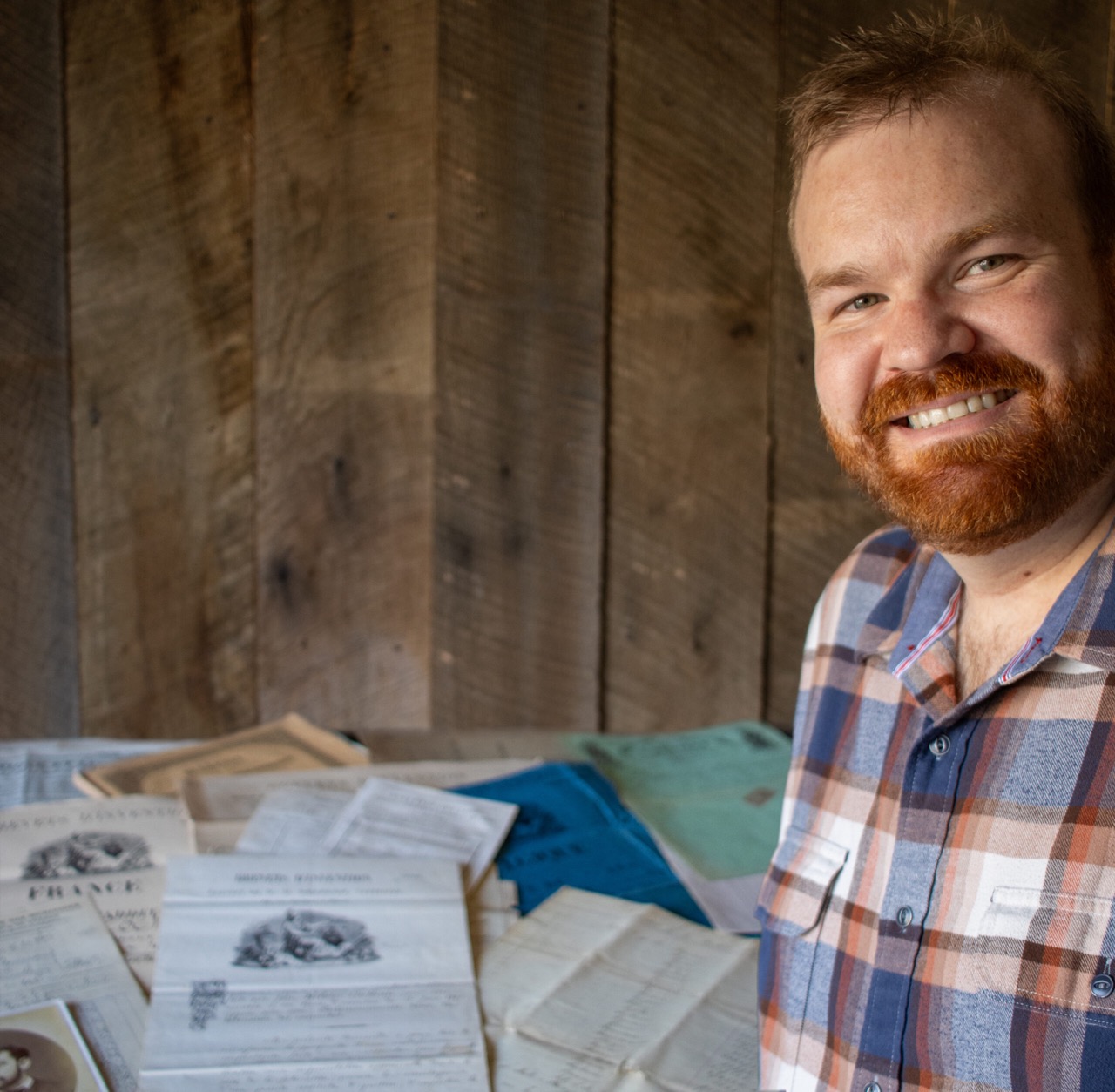
I'm Aaron Newcomer, an avid collector of historical artifacts with a passion for research and preservation. For years, I've collected everything from 19th-century French patents to century-old family letters, driven by the thrill of uncovering stories hidden in time.
But like most independent researchers, I faced a fundamental problem: the tools and resources for serious historical research were locked behind institutional barriers. Universities had expensive transcription software, specialized translation services, and digital humanities tools, while collectors, genealogists, and independent scholars like me were left with basic OCR that failed on historical handwriting and translation services we couldn't afford.
The Institutional Gatekeeping Problem
I wasn't alone in this struggle. Researchers I knew were spending weeks painstakingly transcribing Civil War soldiers' letters by hand, only to save them in scattered Word documents and Apple Notes. One friend lost decades of research when his computer burned in the Palisades fire, a devastating reminder of how fragile independent research can be without institutional backup systems.
For me, it meant paying thousands to specialized translators for old French manuscripts filled with technical jargon and archaic handwriting. Even with the best professionals, translations were slow, expensive, and sometimes inaccurate. A single ten-page French patent from the 1860s could take weeks to process, and I almost missed discovering it contained an early concept that predated a famous invention by decades.
Then AI changed everything.
When ChatGPT introduced vision support, it was revolutionary. Suddenly, I could get highly accurate transcriptions and translations instantly. I remember holding a French report from the 1820s with flowing script I'd never been able to decipher, and watching AI reveal it described groundbreaking steam-powered artillery experiments by an English mechanic named Mr. Perkins. What used to take weeks of professional translation happened in seconds.
The AI didn't just recognize words; it understood historical context and technical terminology better than many human translators. Documents that had been practically unreadable became not just legible, but clear in meaning. For the first time, I had institutional-quality tools without needing institutional access.
But scattered tools created new problems.
AI solved transcription, but created chaos. My images, transcriptions, and translations were scattered everywhere: iCloud, email attachments, long ChatGPT threads that hit context limits. I'd split single documents across multiple chat sessions, manually reassembling translations. It was the same disorganization that plagued all of us working outside institutional frameworks.
Small museums and archives faced similar challenges. They had treasure troves of letters, ledgers, and reports sitting inaccessible due to the cost and effort of transcription. Even with AI available, there was no organized way to manage large-scale digitization projects without enterprise-level resources.
So I built the solution we all needed.
I was able to build Document Transcribe as a one-person, part-time effort. This was something that would have required an entire team just a few years ago. Modern development tools allowed me to focus on the features that mattered most to our community.
Document Transcribe became what I needed: a platform to securely store document images, transcribe handwriting to text, translate foreign languages, and organize everything in a structured way. But more importantly, it democratized access to professional-grade historical research tools.
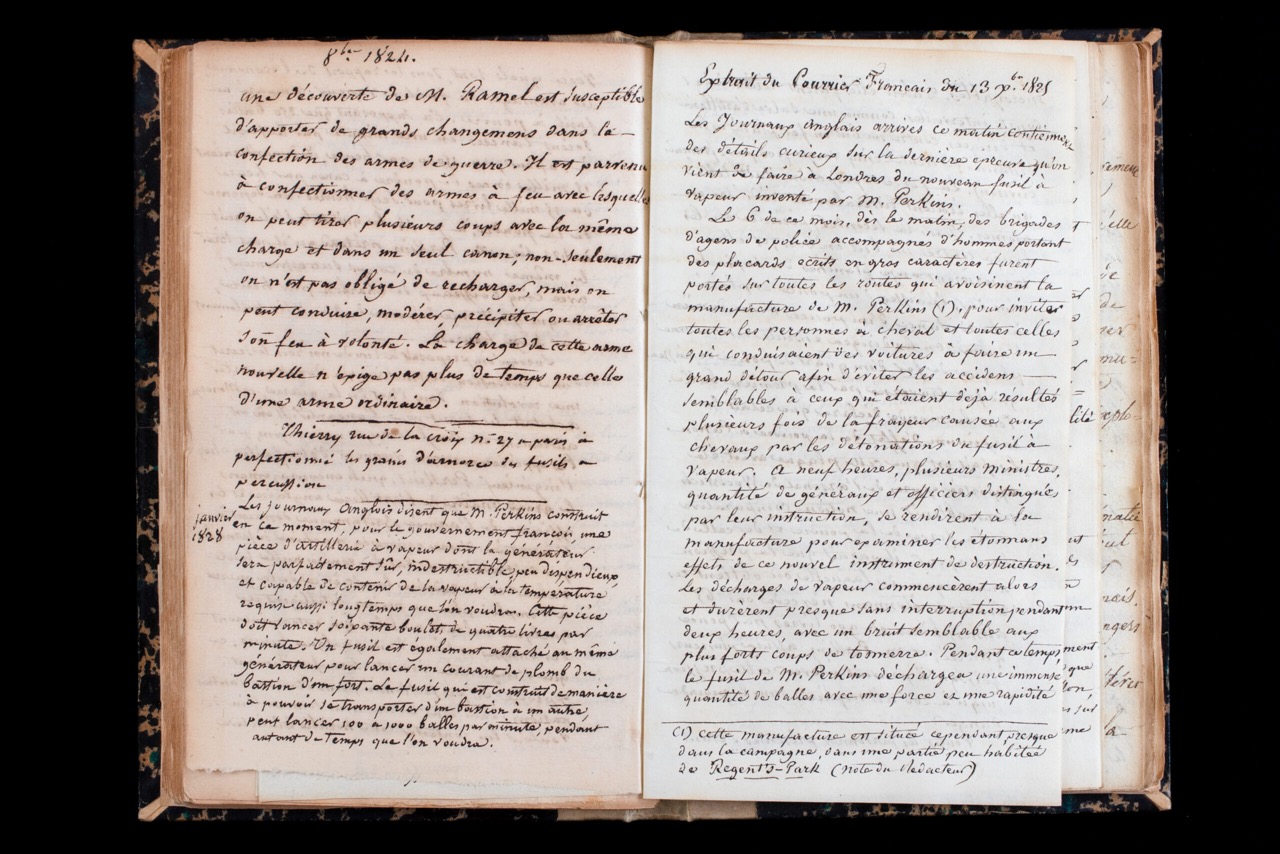
Preserving historical documents through modern technology
The community impact has been immediate.
A historian friend uploaded scans of his great-grandfather's German Gothic script diary and saw it transcribed perfectly. An archivist at a small museum used it to translate 100-year-old letters in minutes instead of months. One granddaughter transcribed and translated her grandfather's WWII letters, some in French from European friends, creating a compiled book to share with her entire family.
Academic users tell me what used to take an entire semester of transcription work now takes a weekend, freeing them to focus on analysis and discovery. Small archives can now process volumes of material that would have required teams of interns. One museum curator said using Document Transcribe was like "having an extra staff member who works 24/7."
Our Mission
Independent researchers shouldn't be limited by institutional barriers. Whether you're a collector, genealogist, freelance historian, or small archive, you deserve access to the same professional tools that universities provide their researchers.
We're helping people connect with the past in ways they couldn't before, ensuring that more voices from history come through loud and clear.
The work of preserving our history is never done, but for the first time, the odds are truly in our favor. I built this tool because our community needed it, and I hope it becomes just as valuable for your historical research as it has been for mine.